Art Deco, Nouveau & Pochoir
Art Nouveau, Art Deco & Pochoir Prints — Original Works from the Golden Age of Design
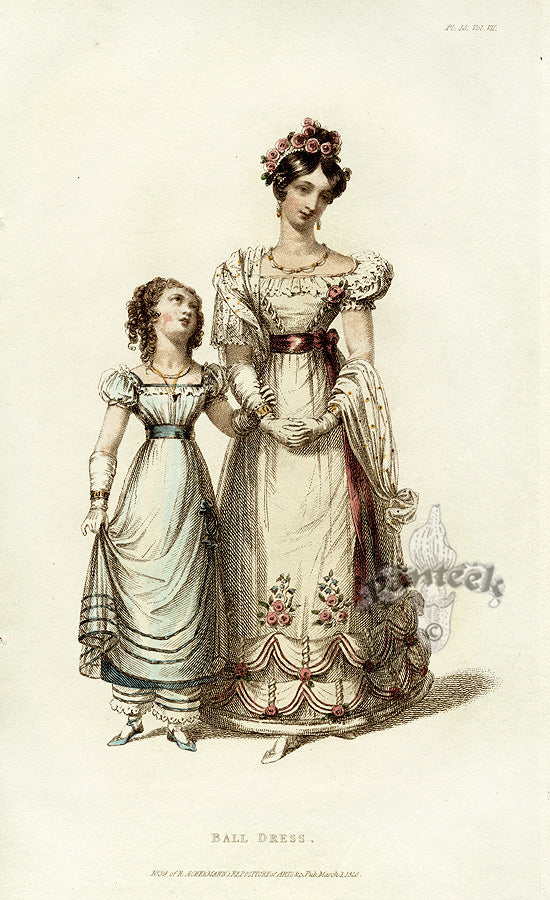
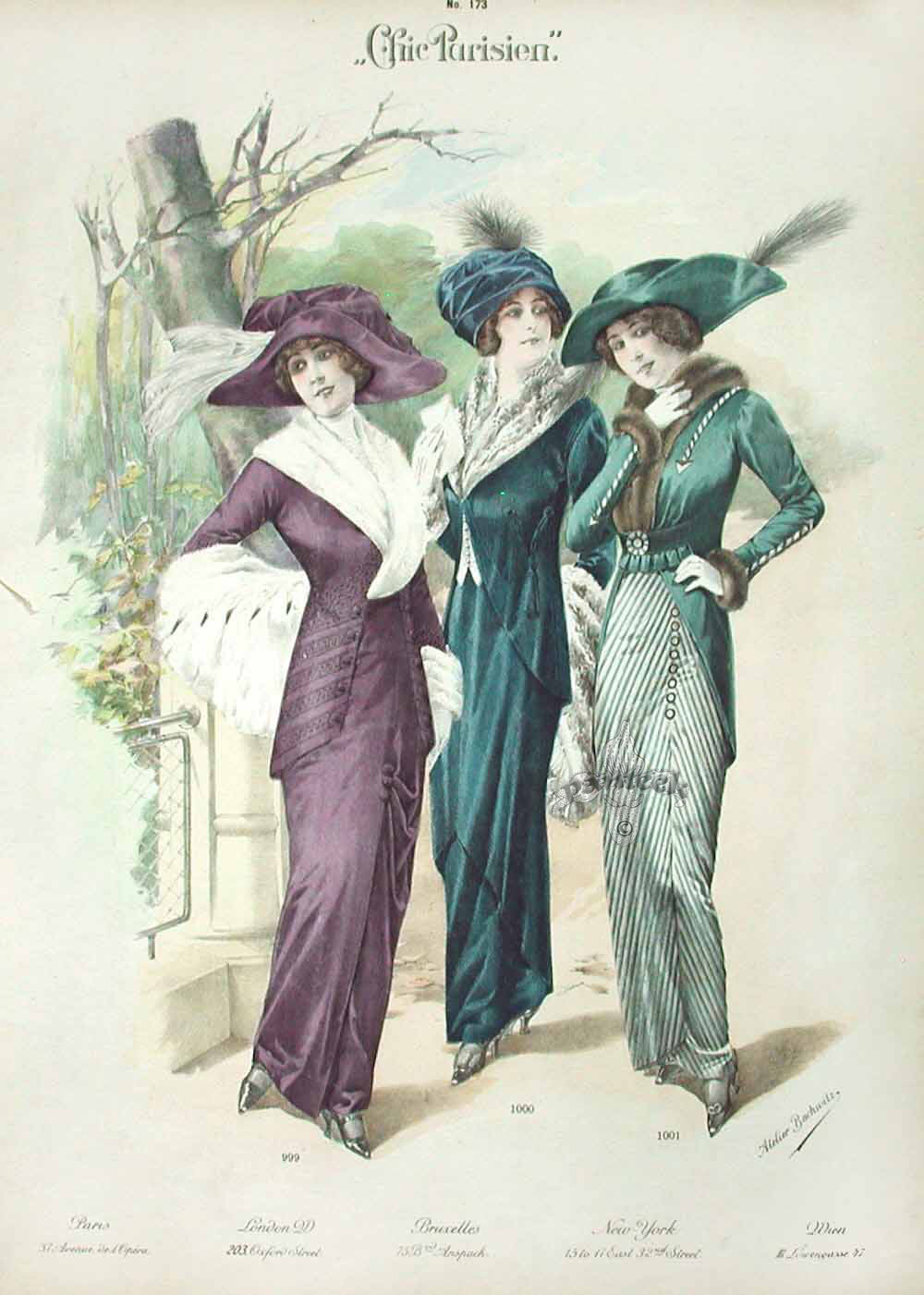
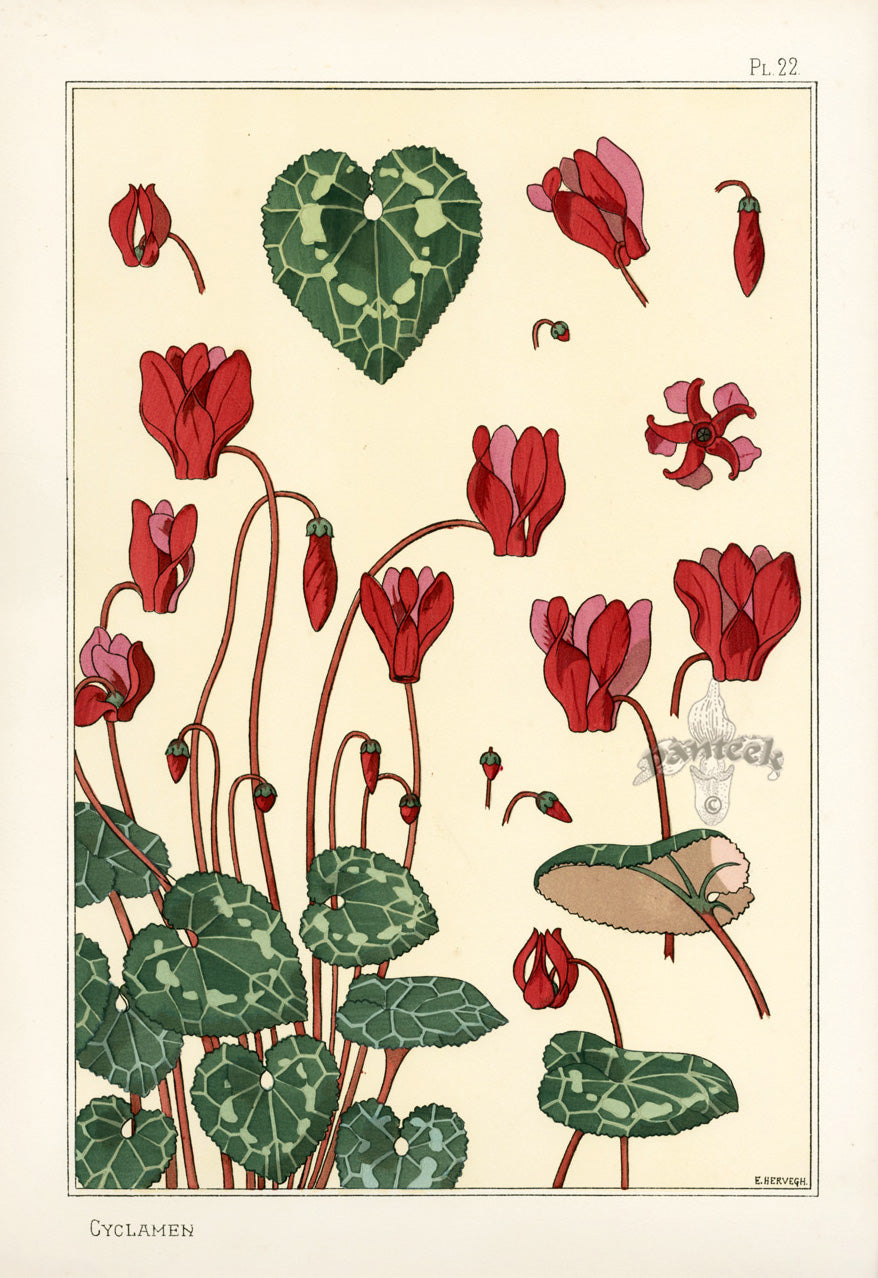
Art Nouveau prints date from the late 1800s to early 1900s, creating a design aesthetic connecting art to nature through vibrant, intricate patterns of flowing designs — often produced in the pochoir technique. Many Art Nouveau prints appeared in posters, advertisements, books, fabric, fashion, and furniture design.
Art Nouveau
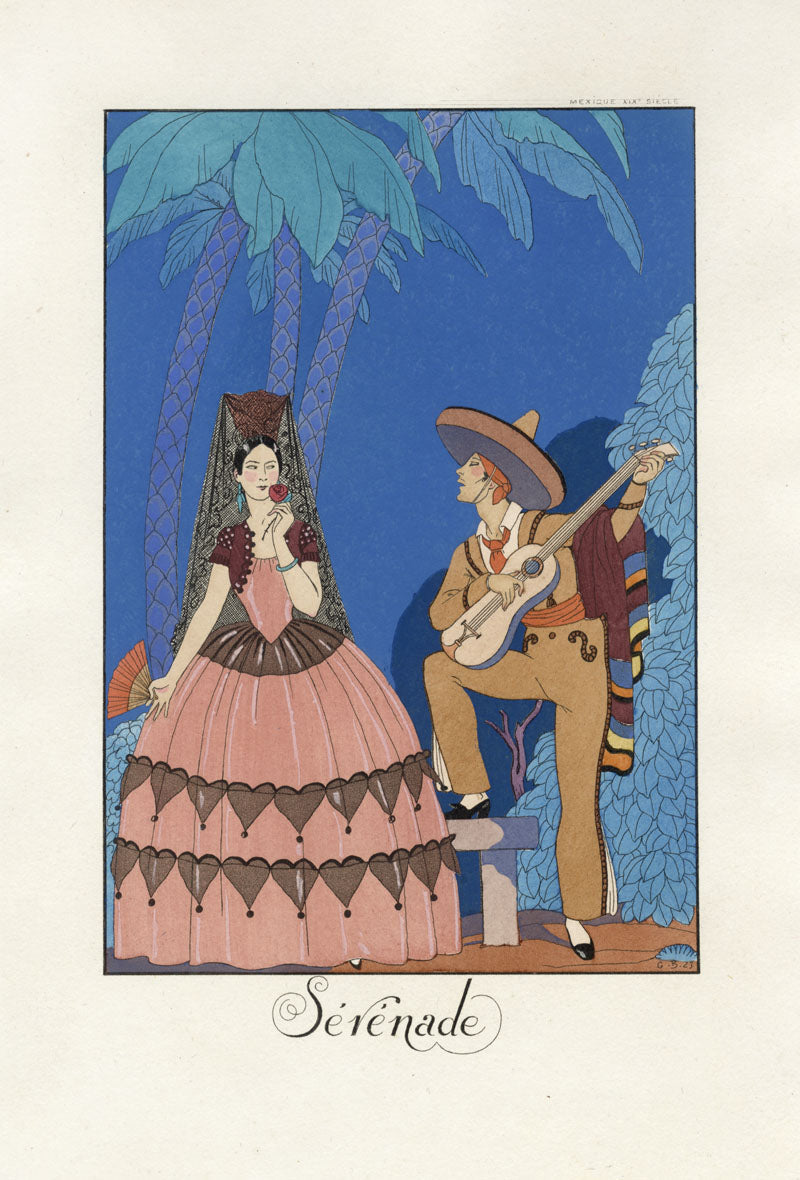
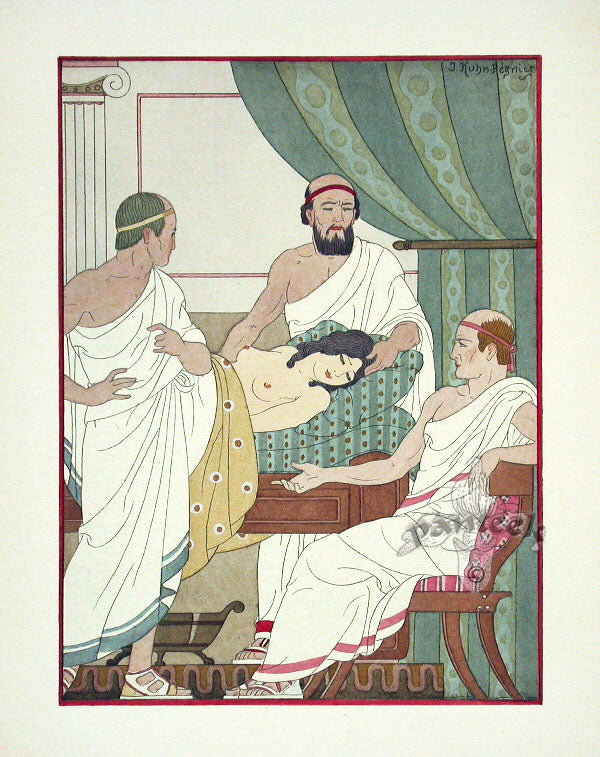
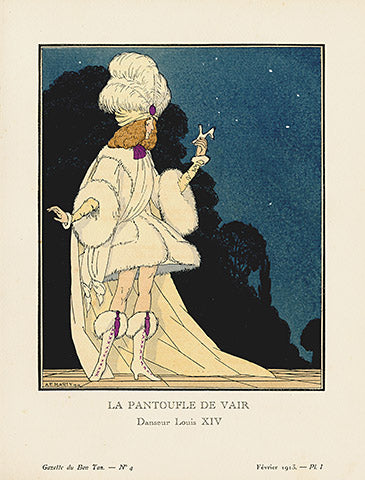
Artists including Alphonse Mucha, Gustav Klimt, Édouard Vuillard, Georges Barbier, Brissaud, Lepâpe, Iribe, Marty, Martin, Brunelleschi, and many more were central to this movement. Georges Barbier championed the pochoir process — inspired by Japanese woodblock printing — in which single layers of vivid color were applied by hand to a lithograph using a stencil, a precursor to modern silk screening. Barbier produced an enormous portfolio for the leading fashion journals of his day, including the precursor to Vogue, Journal des Dames et des Modes, as well as costume designs for Parisian clubs and the iconic black panther logo for Cartier.
Art Deco
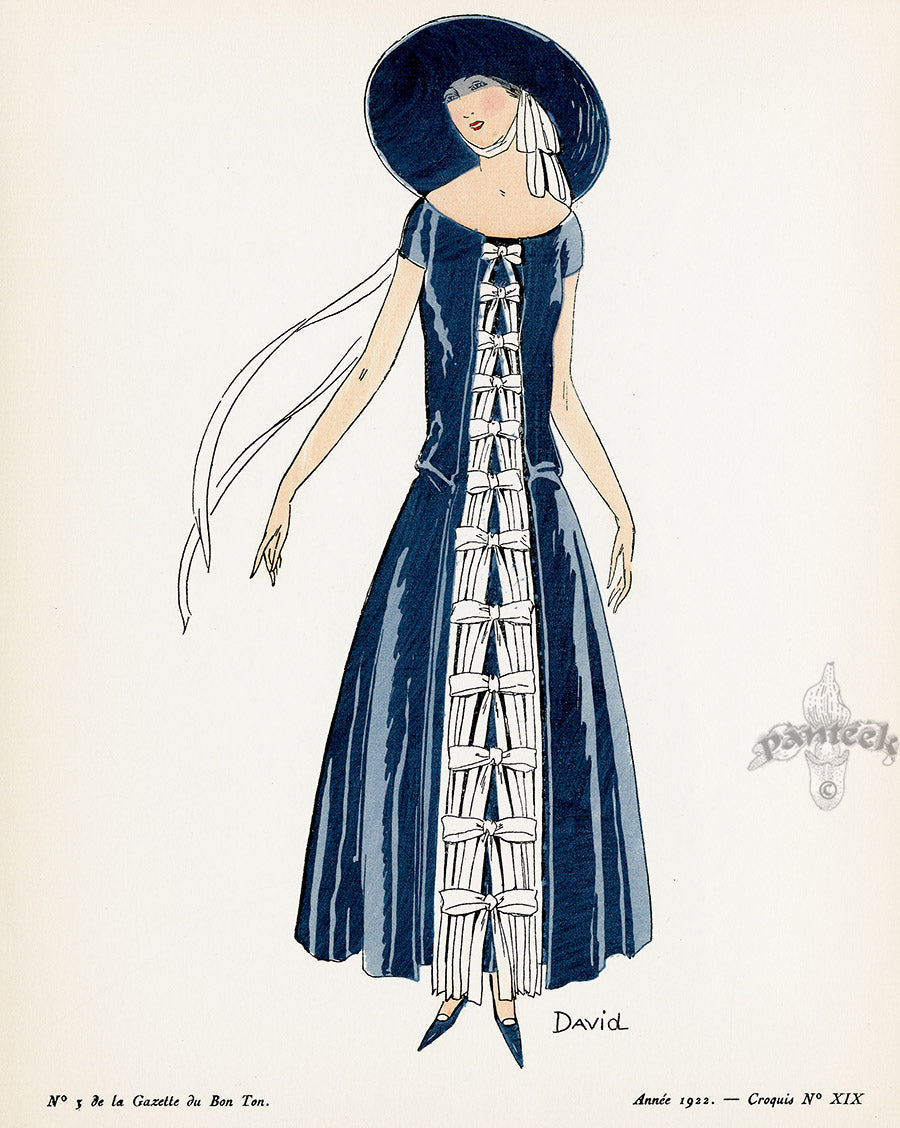
The Art Deco period, or Jazz Age, followed in the 1920s and 1930s, with bold, symmetrical geometric designs by Sonia Delaunay, Erté, Lalique, Tamara de Lempicka, Jean Dupas, and others — a time of prosperity, new technology, glamour, and exuberance.